

The Post-AI Cheat Code: Category Keystone Events
Why some companies have believers while others have customers

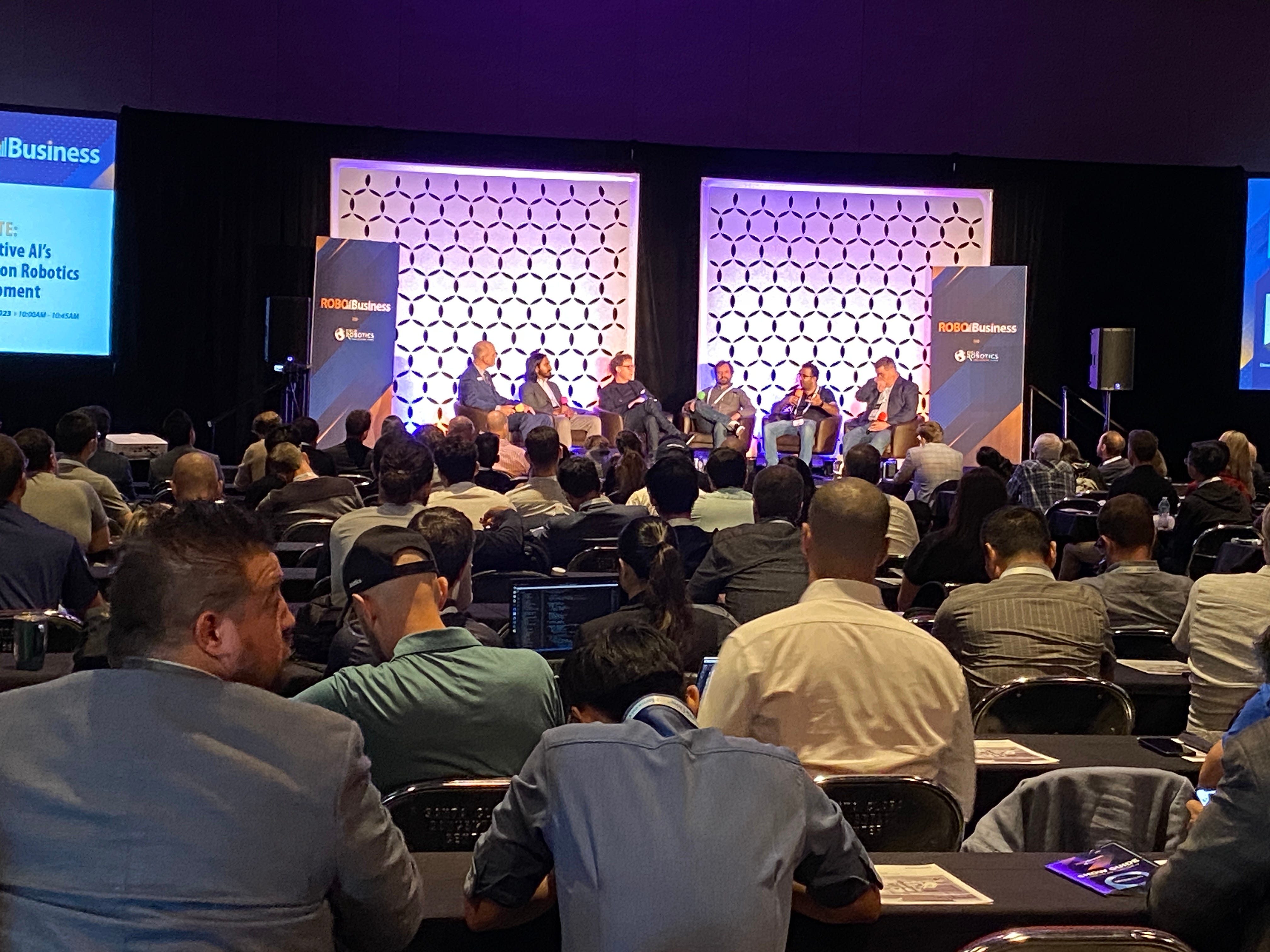
Why do some companies have rabid fans, super-consumers, a tribe… people who feel identified with a cause, a community, with the company as its titular head, while others just have clients?
I believe that discovering what sets the first group apart from the second is the key to thriving in the age of AI slop.
Why?
From the evidence I’ve seen so far, AI slop has degraded trust - the most important psychological element in marketing today.
Events as The Post-AI Cheat Code
I hypothesize that companies that organize annual category keystone events (think Dreamforce, Inbound, Craft + Commerce) have inadvertently discovered that post-AI cheat code.
And I believe this pairing - a category (or movement), coupled with a category keystone event - builds movements that attract a rabid fanbase who have identity-level connections to those movements and the companies that lead them.
My “Malcolm Gladwell-lite” Research Project
For the next three months, I’ll be embarking on a research project about this.
I’m not pursuing an academically stringent study.
My wife has completed a Ph.D., and she’s pursuing a second. She’s an expert at academic research, and believe me, it’s back-breaking work!
I’m pursuing what I call a “Malcolm Gladwell lite” project.
Gladwell was a journalist who knew how to interview people, find obscure scientific studies, and get the human stories that made his books unputdownable reading.
I’m no Malcolm Gladwell, but I think I can interview people, extract interesting stories, find academic research, and put it all into a research report that might be interesting reading….all by September.
The Category-Level Keystone Conference
What is a category-level keystone conference?
Many software companies have annual user conferences, but this is different.
If you go to DreamForce, Inbound, Craft + Commerce by Kit, the Responsive Non-Profit Summit by Virtuous CRM, or even Flip MyFunnel by Terminus back in the day, you’d have noticed something different.
These are category-level events. They’re not conferences designed to promote the company (although they do a great job of generating leads and cementing company loyalty).
I went to a FlipMyFunnel conference in Boston in 2017. The conference was all about ABM - hence the name FlipMyFunnel, which references the visual of an upside-down sales funnel that perfectly encapsulates the concept behind account-based marketing.
I hardly heard mention of the name Terminus (the company organizing the event). It was all educational.
I was also amazed that apparent Terminus competitors had booths there.
Sangram Vajre and the Terminus team intentionally made the conference about the category rather than the company, gathering marketers, sales leaders, analysts, and practitioners around a common mission.
The atmosphere was energetic, collaborative, and surprisingly human-centered. The talks centered on customer obsession, sales-marketing alignment, authentic relationships, and challenging the status quo.
A Few More Examples of Category-Level Keystone Events
Virtuous: Responsive Nonprofit Summit
Former Virtuous VP of Marketing, Bryan Funk, was a speaker at a summit I organized (the Strike Marketing Summit).
The Responsive Nonprofit Summit, a virtual event, was key to driving growth for Virtuous, from $1 million ARR, to a $100 million series C funding round.
In his talk, Bryan made very clear: the Responsive Nonprofit Summit wasn’t created to promote software. It was created to advance an idea.
Virtuous believed nonprofits had spent years optimizing transactions when they should have been building relationships, and they coined the term Responsive Fundraising to describe a more personal, donor-centered approach.
The summit became the gathering place for that movement.
Thousands of nonprofit leaders, fundraisers, and marketers showed up to learn, share ideas, and explore what responsive fundraising looked like in practice.
Over time, the event evolved into something much larger than a lead-generation program. It became a category-building engine that helped establish Responsive Fundraising as a recognized philosophy within the nonprofit sector and positioned Virtuous as one of the companies leading that conversation.
Wynter: Spryng
Spryng feels like the natural evolution of the B2B marketing conference.
The attendees are largely experienced operators who have already heard the standard presentations, read the books, and listened to the podcasts.
What draws them to Austin is the opportunity to spend time with other people wrestling with the same challenges.
Peep Laja, CEO and Founder of Wynter, designed Spryng around conversations, roundtables, shared meals, and carefully curated peer interactions.
The result is a gathering where relationships become the main attraction.
The event has developed a reputation for attracting thoughtful practitioners who care deeply about positioning, messaging, customer research, and evidence-based marketing.
A few hours at Spryng often feels more like joining a professional community than attending a conference.
Kit: Craft + Commerce
When Nathan Barry, Kit founder and CEO, launched Craft + Commerce, he wasn’t gathering email marketing software users. He was gathering creators. Authors, YouTubers, newsletter writers, course creators, podcasters, and online entrepreneurs came together around a shared belief that expertise can be transformed into a business.
The event developed a distinctive atmosphere that blended practical business advice with creativity, storytelling, and personal growth.
Attendees often describe feeling energized by being surrounded by people building similar businesses and facing similar challenges.
Over time, Craft + Commerce became one of the defining gatherings of the creator economy, helping reinforce the identity of what it means to build an audience-first business.
Wistia: WistiaFest
WistiaFest ran from roughly 2014–2019 and became a beloved annual gathering in Boston focused on video marketing, storytelling, creativity, and brand building
They earned a devoted following because it reflected the personality of the company itself: creative, human, and deeply focused on storytelling.
The event attracted marketers, video producers, content creators, and brand builders who believed business communication could be both effective and memorable.
The presentations were often excellent, but the experience extended far beyond the stage.
The conference felt like a celebration of creativity in business, with attendees connecting around a shared appreciation for authentic communication and high-quality content.
Many people left WistiaFest with new ideas, new friendships, and a renewed excitement for their craft.
Around 2020, Wistia replaced the in-person event with CouchCon, a virtual conference. Wistia itself explicitly states that CouchCon “took the place of our annual in-person conference, WistiaFest.”
Since then, Wistia seems to have shifted its focus toward webinars, virtual events, Wistia Live, and ongoing educational programming rather than reviving WistiaFest as a major annual conference
Gainsight: Pulse
Pulse helped transform Customer Success from an emerging concept into a recognized profession.
Thousands of customer success leaders, practitioners, and executives gathered annually to share strategies, stories, and lessons learned from the front lines of customer retention and growth.
The event became a meeting place for people who viewed customer outcomes as a core business function rather than a support activity.
For many attendees, Pulse served as both professional development and professional validation.
They weren’t simply attending a conference; they were joining a community of people who spoke the same language and cared about the same mission.
Next Steps in the Post-AI Trust Architecture Research Project
I hope I’ve given you a pretty good idea of the exciting findings that await you and me when I complete this research.
Do you know of any companies that have category-level keystone events? Or who have built their company on the back of events (whether large or small, annual or monthly)?
Send any leads my way for founders, CEOs, and leaders I can interview for this research project. I’ll be forever in your debt!